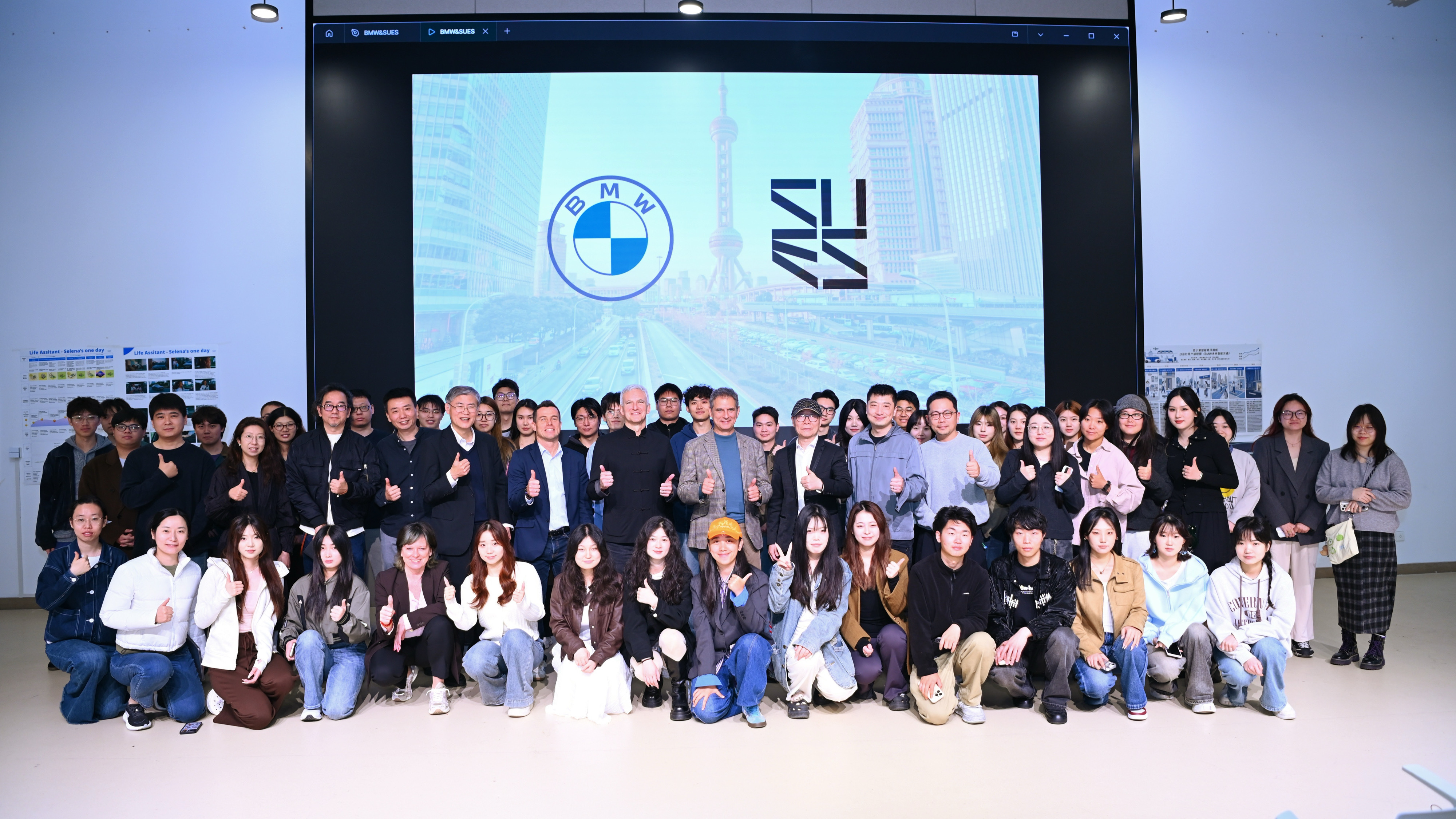
From April 7 to 16, 2026, SUES Design (in preparation) hosted a distinctive creative workshop on Best-Selling Near-Future Mobility Scenarios at the Changning Campus. BMW Brilliance and the College jointly launched this ten-day design sprint, in which, under the leadership of Professor Joseph Press, four faculty teams guided twenty graduate student teams around future mobility scenarios to develop lifestyle scenario concepts for future mobility and create storyboard videos.
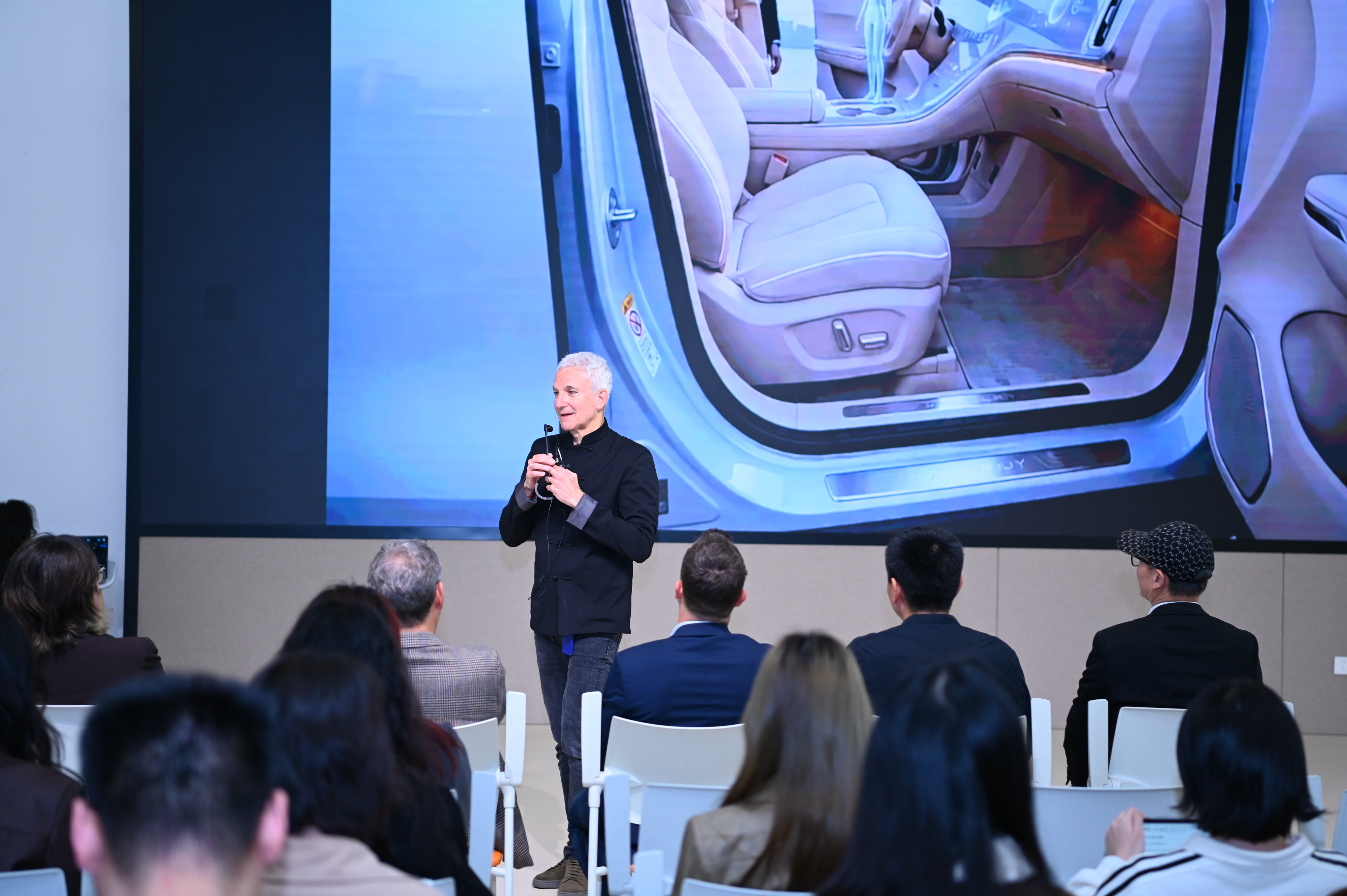
The workshop took PBL (project-based learning) as its core model, integrated AI-assisted teaching tools, and used the Double Diamond learning model as its theoretical framework. On the first day, the teams completed ice-breaking activities and discussed the problems that needed to be solved and researched. Over the following days, students conducted problem research and, in teams, discussed and constructed future scenarios and possible development directions. On the third day, they entered the implementation and ideation stage, in which students used AI software in their respective studios to generate a wide range of conceptual storyboard images and refine them into 2–3 relatively complete story drafts. On the fourth day, they confirmed the final design goals and completed preliminary designs of 12–24 frame storyboards and service design journey maps.
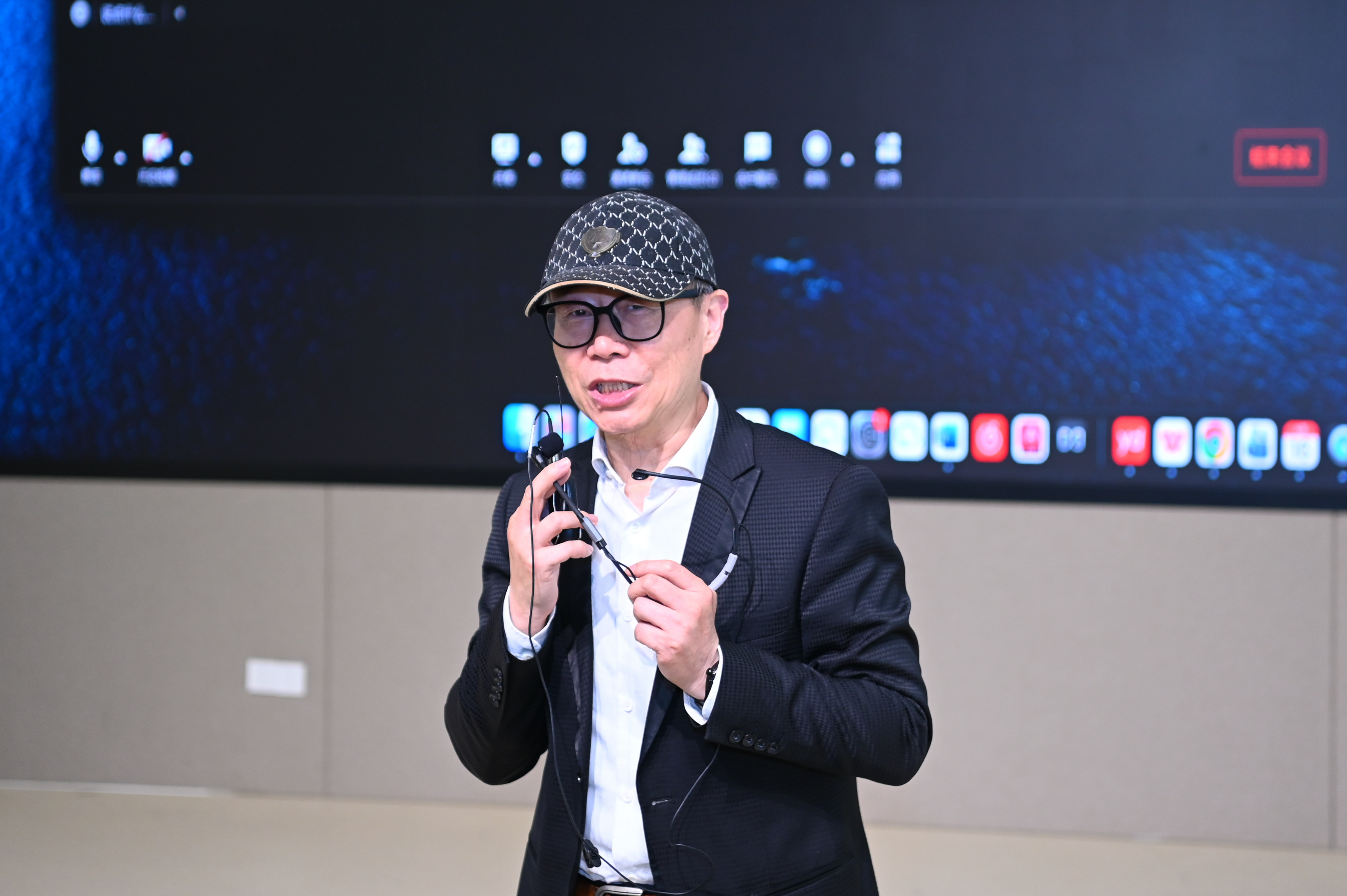
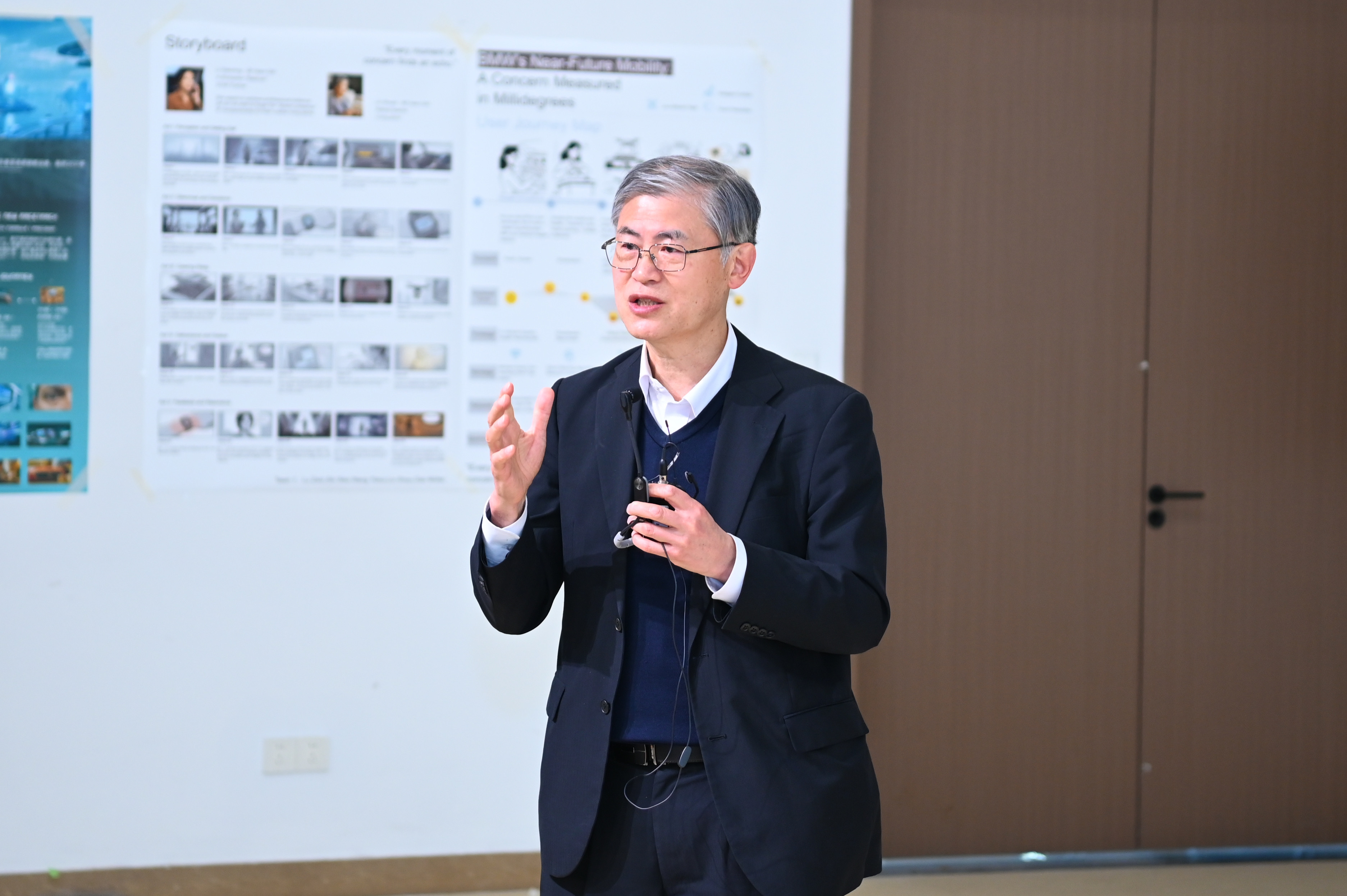
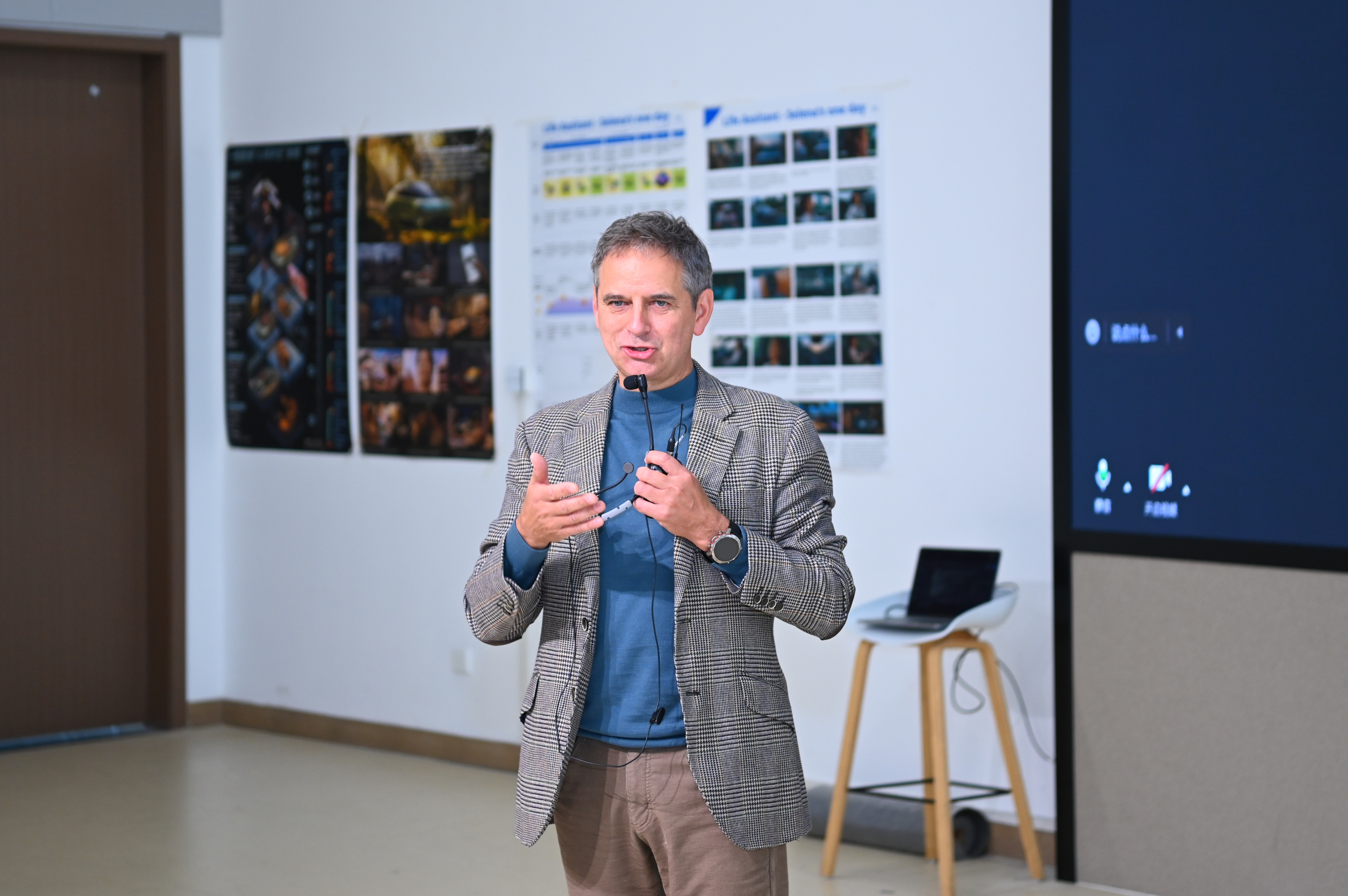
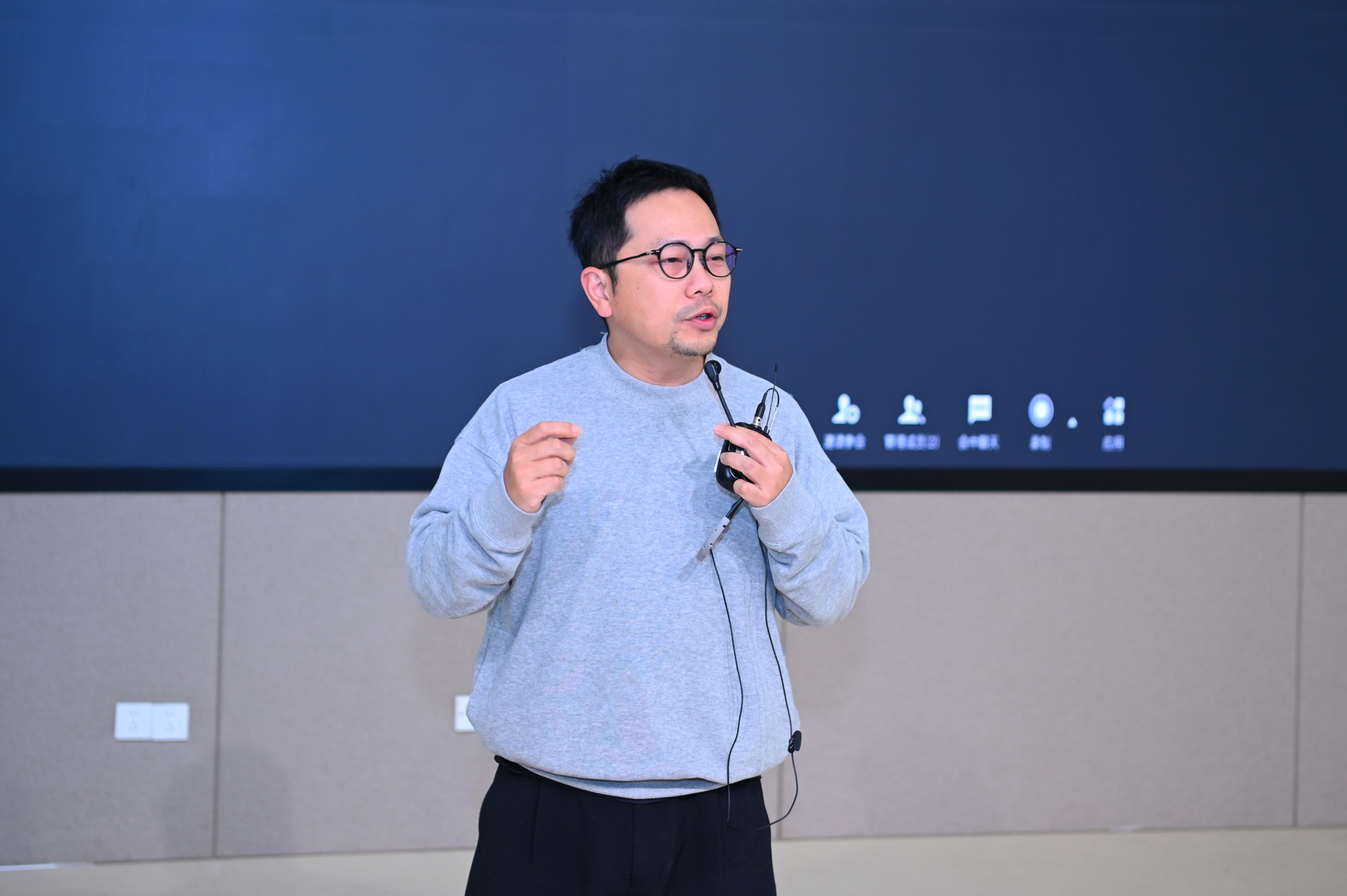
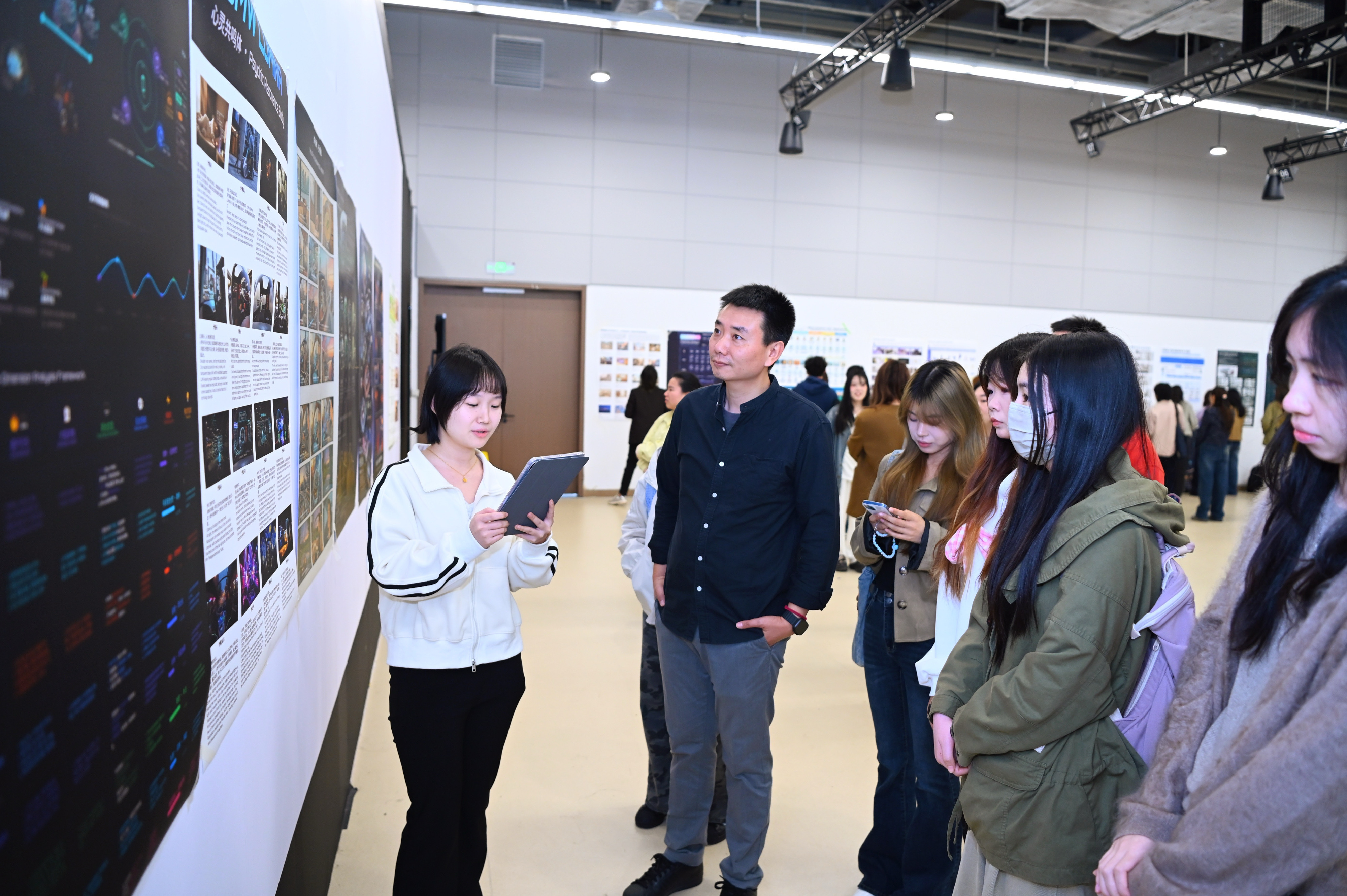
Over the weekend, the teachers of each team led students in independent sprints to produce presentation PPTs. On the seventh day came the online mid-term review with five senior engineers from the BMW Brilliance R&D team, during which students interacted face-to-face with the enterprise side in Q&A sessions. Subsequently, the workshop entered the stage of storyboard re-optimization and video production, in which students, under the guidance of specially invited teacher Yao Hui, used AI animation tools such as Loveart and Seedance 2.0 to turn the storyboards into rough-cut videos. On the ninth day, there was an all-day sprint, with each group ultimately submitting a 3-minute concept video, a storyboard poster, and a user journey map, and completing the workshop exhibition in the third-floor exhibition hall.
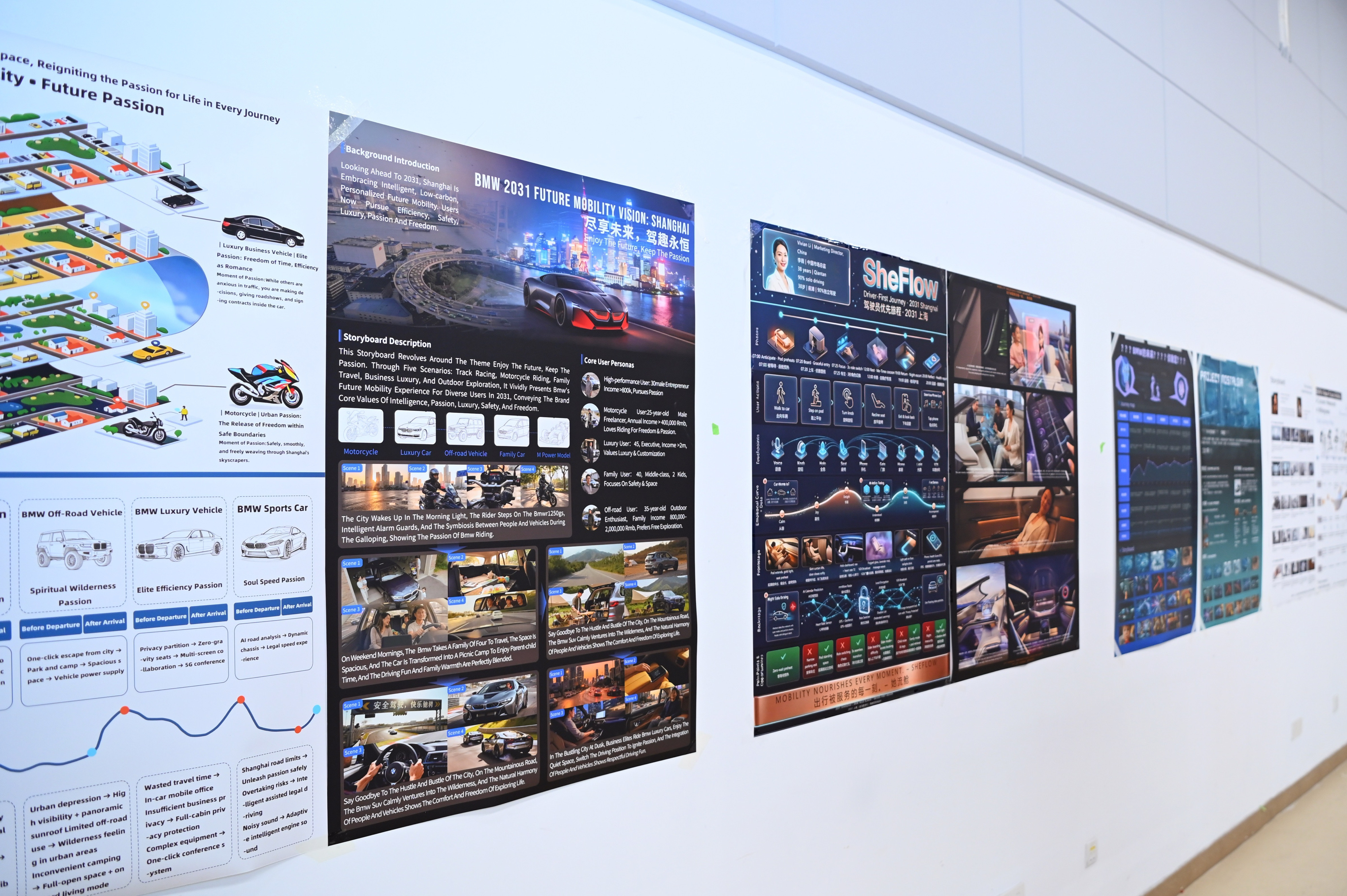
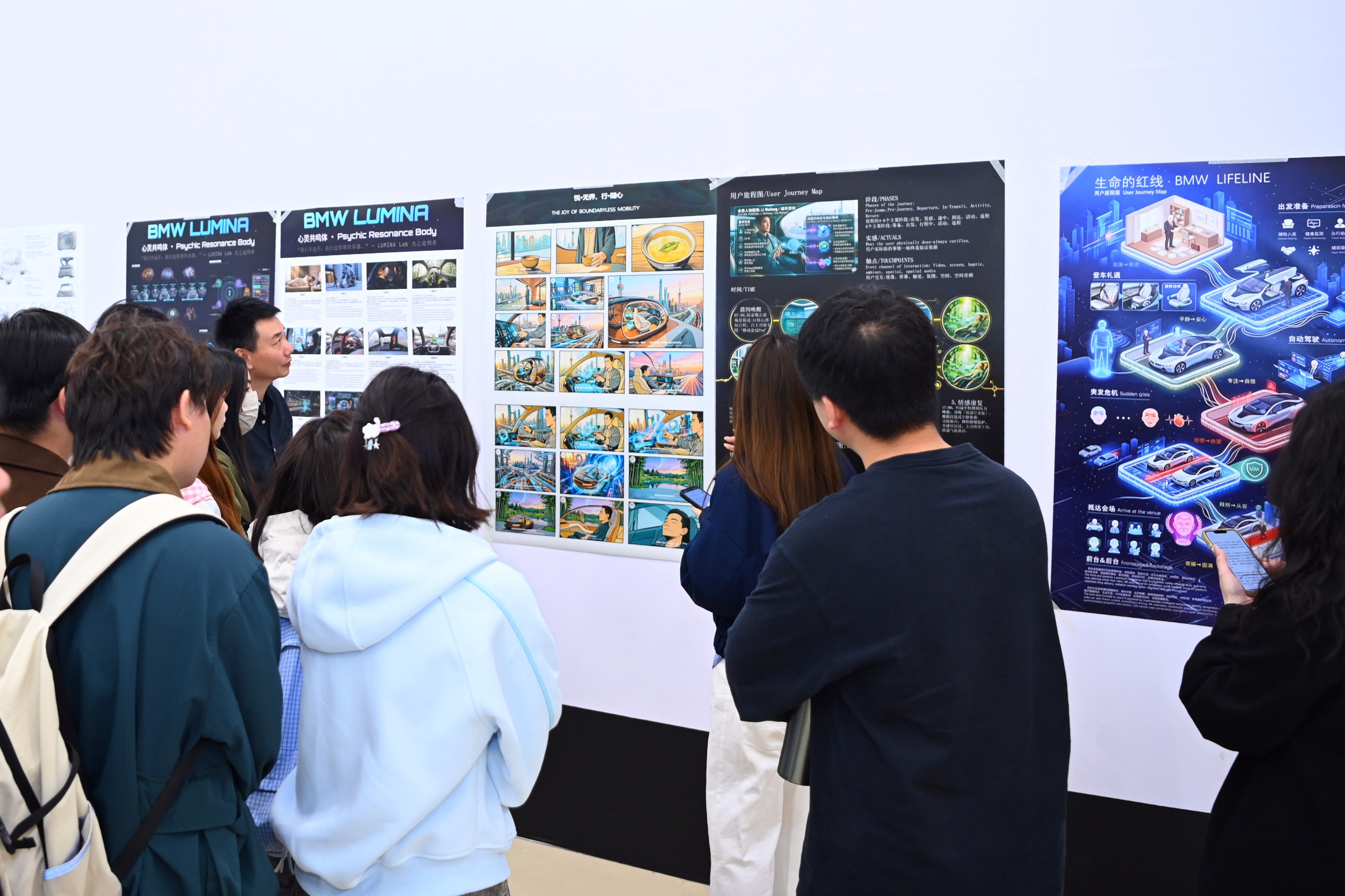
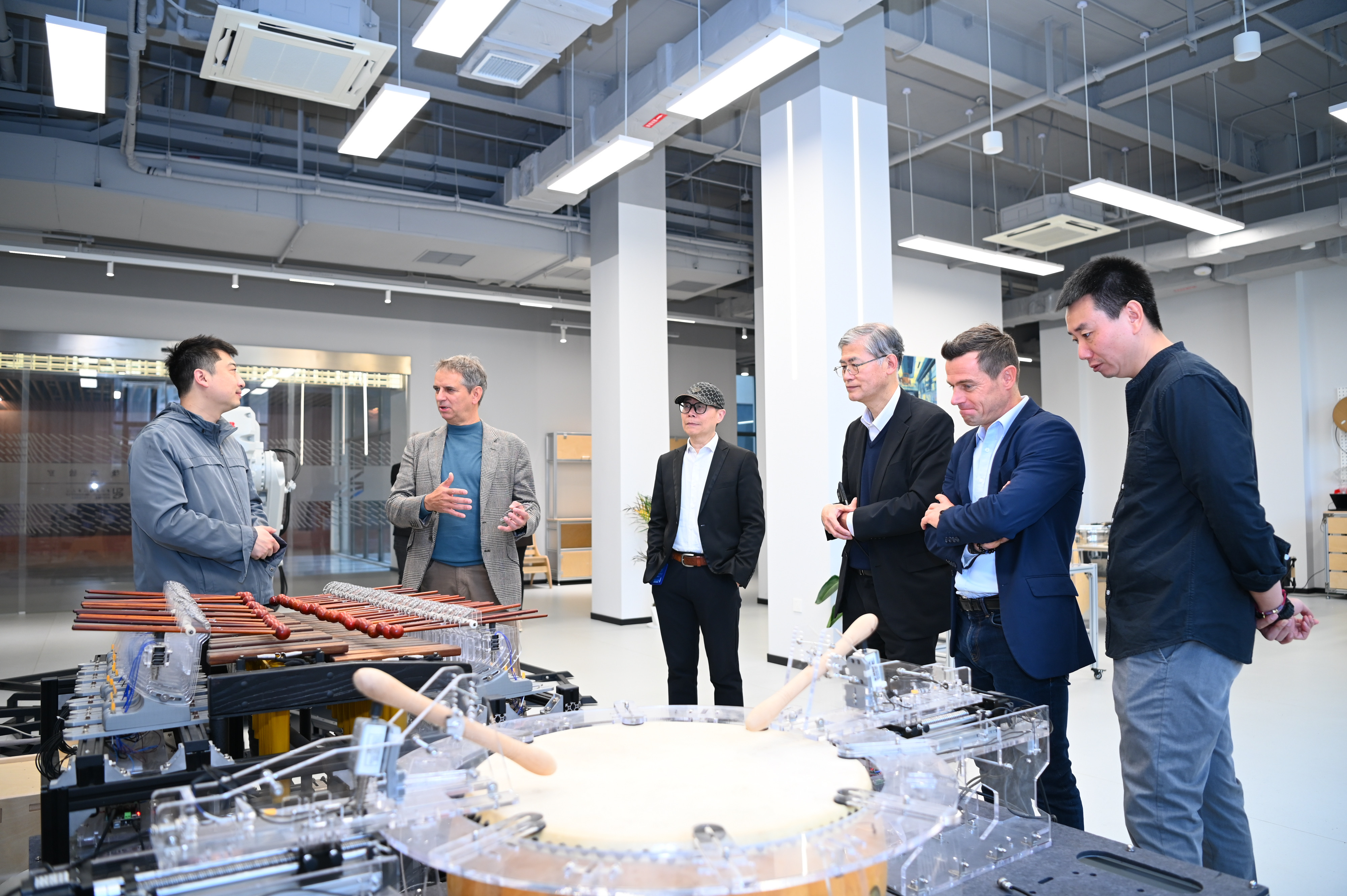
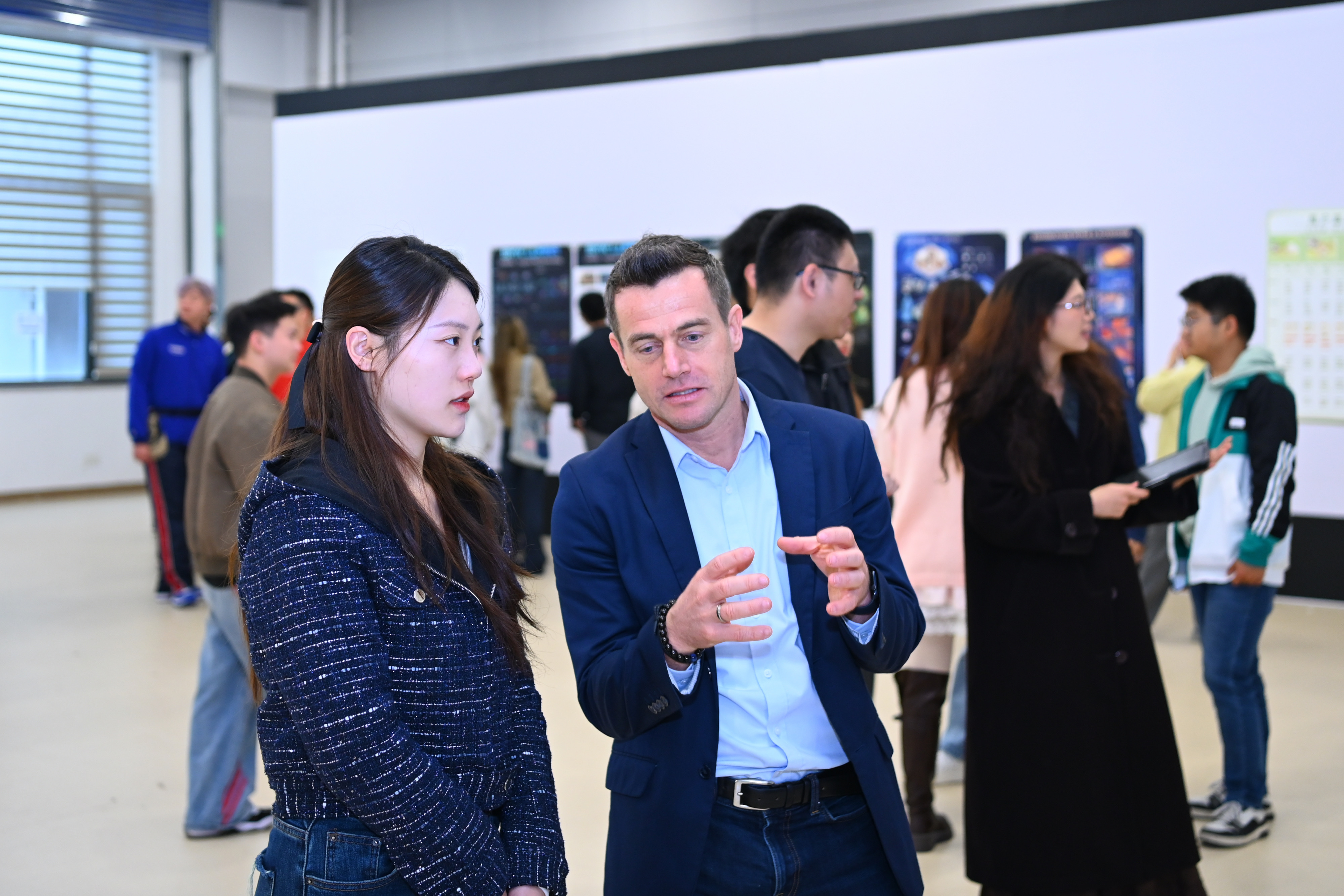
On the morning of the tenth day, Patrick Mueller, Vice President of the R&D Center of BMW Brilliance Automotive Ltd., led three guests from the R&D team to visit Teacher Chen Junkai's New Technology Lab, after which the final presentation was held on the third floor. The twenty teams introduced their works to the R&D team one by one and took part in Q&A, and the jury ultimately selected five Best Future Concept Team works. This workshop not only allowed students to experience the overall process from topic research to solution visualization but also honed their project promotion, adaptability, and stress management abilities through real industry feedback. The BMW Brilliance R&D team was surprised by the project proposals students produced using AI and expressed interest in further cooperation.
As the workshop emphasized: the cycle of create—share—learn may be uncomfortable, but discomfort is precisely the best opportunity for learning.